July 29, 2010 | Filed Under Inspiration, Technique:Surface Design | 1 Comment
“In the dance between control and serendipity, the wise artist discovers when to lead and when to follow. Explore these pages, techniques and enjoy the unfolding of your own art cloth path.”
This quote from Jane Dunnewold’s latest opus Art Cloth neatly sums up the spirit of the book. In clear, direct language, Jane guides the reader through the fundamentals of workspace, tools and materials and the concept of building up layers contributing to the intricacy, beauty and interest of the fabric. Then she discusses techniques and processes including:
- Adding colour: Fiber- Reactive Dyes and Textile Paints
- Removing colour:Discharge Methods
- Making Tools: Stamps and stencils
- Print & Pattern: Water-Based Resists
- Metallics: Foiling and Leafing
It’s the kind of book that you can read from cover to cover or dip into relevant chapters. It’s a fantastic resource and great value at less than A$35 from The Book Depository (free postage!); US$35 from Jane’s website; and US$17.79 from Amazon. (Or you can leave a comment on Gerrie’s blog and go into a draw to win her giveway copy.)
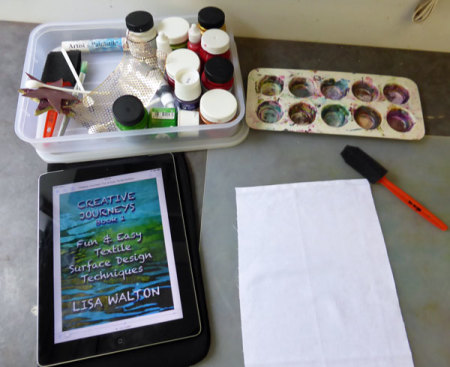
I found these paints on sale in Sydney yesterday and look forward to putting some art cloth techniques into practice. As Jane wisely says: “Making reigns supreme“.

May 17, 2010 | Filed Under Gadgets, Technique:Surface Design, Twelve by Twelve | 1 Comment
1 July Update: Orange Power Sticky Spot + Goo Dissolver is the only Australian product that I have found works reliably with this technique. Check the Orange Power website for where to buy, including at Coles, BILO and larger IGAs. Australian Purchasers - You can purchase Orange Power online for $4.50.
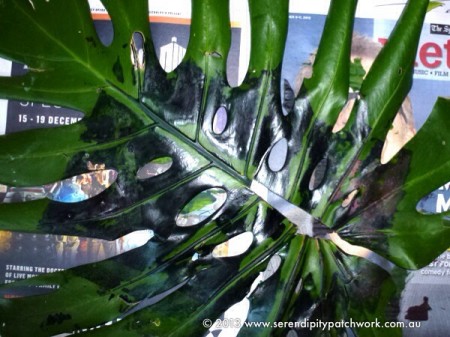
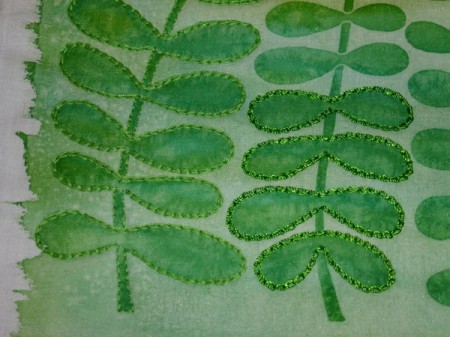
Further to the Twelve by Twelve Kilauea Colorplay challenge, several people have asked me about the image transfer process that I used on my two quilts: Harakeke#1 and Harakeke#2:
First of all, here are some splodgy samples made with an expensive commercial product. The product purports to have a “subtle” water colour effect. As you can see, I had great difficulty controlling this effect. I also used up half the bottle in the process… 
Next I tried putting fabric sheets through my printers. That worked after a fashion but I was limited by the A4 size of my printer. Finally, I tried the Citra Solv technique using an Australian citrus-based cleaning product Orange Power Sticky Spot & Goo Remover* . This technique involves printing an image on a piece of paper; placing the image face down on fabric; brushing the back of the paper with the orange oil product and burnishing with a spoon. The results were much more distinct:

My photo was printed on my laser printer - this uses toner and I understand it works better than an ink-jet image. Lisa has a step-by-step tutorial of this technique on her blog Something About Nothing. .See the Citra-Solv Artist Gallery for other examples of this versatile cleaning product at work. My kind of cleaning!
*1 July Update: Australian De Solv It does NOT work for this technique.
November 8, 2009 | Filed Under Technique:Dyeing, Technique:Surface Design | 2 Comments
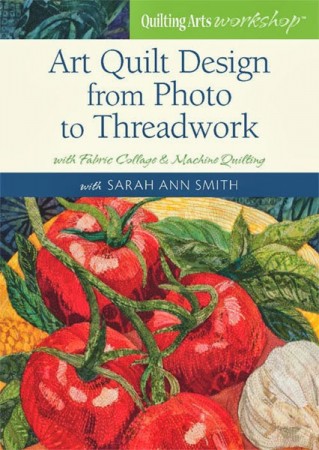
So there I was, just quickly checking some blogs and e-mails before getting started on some sewing, and here I am still at my computer nearly an hour later. Sucked in! but in a good way. It all started when I went to Pink Chalk Studios and read Kathy’s review on Color Your Cloth: A Quilter’s Guide to Dyeing and Patterning Fabric by Malka Dubrawsky:

That in turn took me to Malka’s blog
StitchinDye including a
picture of a circle quilt very similar in appearance to the
Confetti Wedding Quilt that I made for
Amy (my sister) and Paul except that the circles are entirely dyed - there is no applique. And how are those glorious circles created? with perspex resist shapes and C-clamps sold by
r0ssie via her etsy shop.
The technique of dyeing using clamped resists is known as itajime shibori. It is a technique used to funky effect in the Ocelot clothing line. I also used this technique in my Twelve-themed work - Double Six. Which reminds me, I really must get on with my pink piece, which may (or may not!) include itajime shibori.
September 21, 2009 | Filed Under Technique:Dyeing, Technique:Surface Design, Twelve by Twelve | Comments Off
While I once declared I would never do shibori dyeing again. Now it’s more like once in a blue moon. So far, three out of eleven of my Twelve by Twelve works incorporate shibori-style techniques: Piece de Resistance, Radiance and Introspection. I thought it might be fun to see if I could put some shibori into the current theme - Twelve. I experimented with using 20 cent coins as a resist. The results were not quite what I was after but the interaction of the coins with the soda ash solution gives an interesting ring effect that I’ll keep in mind for future pieces:

And I meant to mention that last week Erica and I made an excursion to Fairfield City Museum and Art Gallery for the International ArtCloth exhibition, ArtCloth: Engaging New Visions, which continues until 11 October 2009 before touring elsewhere in Australia.
We had the gallery to ourselves and could take everything in at our own pace. Each of the twenty works were presented in a banner-like format approximately 1 metre wide by 3 metres long. For me, the least interesting pieces were those that incorporated digital images - while undoubtedly clever, they lacked the character of a personal hand. My favourite piece was Razing/raising walls, Warsaw by Norma Starszakowna of England for its earthy palette and the way light passed through transparent section to create patterns on the wall behind. Unfortunately Norma does not have a website but I found a handful of images online.
September 3, 2009 | Filed Under Contemporary Quilts, Inspiration, Technique:Surface Design | 3 Comments
When I get some studio playtime, I am keen to experiment some more with quilting first and then applying dyes, paints, oilsticks or pigments. This process is discussed in The Painted Quilt by Linda Kemshall.

Inspiring examples of this technique can be found in the work of
Deidre Adams and
Pauline Burbidge. Pauline is an artist from the Scottish Borders and she exhibited some of her
Quiltlines work at the 2009 Festival of Quilts at Birmingham. You can view a video presentation by Pauline on the
Festival of Quilts Facebook page. (You don’t need to be a FB member to view it and there are some other interesting videos there.) Thanks to
Mai for alerting me to this video.
March 29, 2009 | Filed Under Technique:Surface Design | 5 Comments
Despite a tedious 2 and half hour prelude in horrendous Sydney peak hour traffic, I thoroughly enjoyed my screen printing workshop with Kath and Kirsten (and three other students) at Prints Charming. As you can see, their playful style was infectious and I ended up with a happy garden scene all of my own design. My plan is to put a striped border around the outside and to do some big stitch quilting with brightly coloured perle threads. I also plan on returning sometime to experiment with more abstract motifs along the lines of Sarah’s work which you can see in some of the photos. If you are interested in doing a similar workshop, keep an eye on the Prints Charming blog for their class schedule or organise your own group of four and book a private workshop.
August 17, 2008 | Filed Under Products, Quilters' Guild of NSW, Technique:Surface Design | 1 Comment
Apart from selling some of my patterns and contemporary quilt notecards at the market day, the highlight of yesterday’s Guild meeting was a presentation by Cath Derksema and Kirsten Junor of Prints Charming. Reknown for their fresh and funky fabrics, the Prints Charming team shared the story of the genesis of their creative business which today finds them developing lines for Marcus Fabrics whilst still continuing their strong tradition in handprinted fabrics.

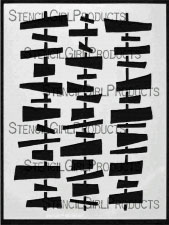
As part of their presentation, Cath and Kirsten showed us their original design samples created by screen printing through paper stencils onto various base cloths on a relatively small table surface (see, for example, these blog photos). It was fascinating to see how faithfully the designs have been interpreted by the mills. I was even more excited to learn that Cath and Kirsten offer Print Your Own Fabric workshops where you learn how to layer colour using papercut designs to create 1.5 metres of your very own fabric. Classes are limited to four people per class and the 2008 program is booked out but I am keen to add my name to the list for the 2009 program.
August 7, 2008 | Filed Under Contemporary Quilts, Technique:Surface Design | 9 Comments
Today the Canberra Quilters’ Exhibition 2008 opens in Australia’s national capital. I have two quilts entered this year - Acacia Bloom and Afterglow. I am thrilled* to report that Acacia Bloom was awarded first place in the open Mixed Media Quilt category:
Quilt may include materials other than fabric and must include mixed techniques such as embroidery, embellishment, painting, printing, dyeing, fibre manipulation and trapunto. Must comprise at least 50% fabric and meet the definition of a quilt.
Acacia Bloom ©2007 Brenda Gael Smith 46cm x 55cm


I understand that my prize includes a voucher from Unique Stitching, an online business that sells all sorts of textile art goodies. I look forward to going shopping - thank you for your generous sponsorship Cecile.
See the Canberra Quilters’ blog for a complete prize listing.
*As I write this, there is a whale doing backflips across the bay, I know exactly how it feels!
July 17, 2008 | Filed Under Technique:Surface Design | Comments Off

Next Page »